
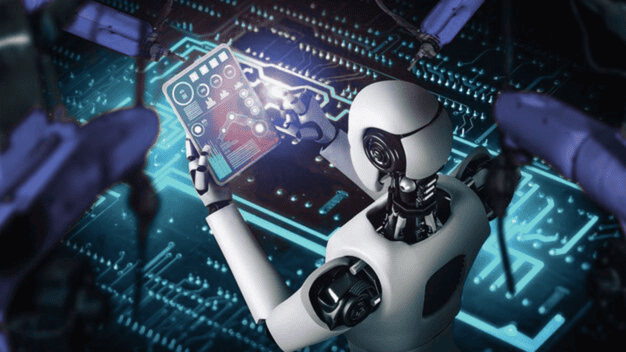

Modern organizations are rapidly evolving into AI-first ecosystems where productivity, decision-making, and execution speed are driven by intelligent systems. At Sanga Flow AI Agency, we have observed a clear pattern: high-performing teams are not necessarily larger teams—they are AI-enabled teams equipped with the right tools, workflows, and automation layers.
The difference between average and elite performance today is not effort, but infrastructure. This blog breaks down the essential tools behind high-performing AI-driven teams and how businesses can strategically adopt them to scale faster, reduce costs, and improve decision-making quality.
AI Productivity and Collaboration Tools That Power Execution
High-performing AI teams rely on tools that eliminate friction in communication, task management, and content creation. These tools act as the operational backbone, ensuring that teams stay aligned, efficient, and focused on high-value work instead of repetitive coordination tasks.
AI-powered task and project management systems
Modern project management platforms enhanced with AI capabilities help teams automatically prioritize tasks, predict deadlines, and allocate resources efficiently. Instead of manually organizing workflows, AI systems analyze workloads and suggest optimal task distribution. This reduces bottlenecks and ensures that critical tasks are completed on time. Teams become more agile because project visibility improves across departments, enabling faster decision-making and execution.
Intelligent communication and documentation tools
Communication is one of the biggest productivity drains in traditional teams. AI-driven communication tools summarize meetings, generate action points, and even draft follow-up messages automatically. Documentation tools powered by AI help maintain structured knowledge bases that update in real time. This ensures that important information is never lost and can be accessed instantly by any team member, reducing dependency on manual reporting or long meetings.
AI writing and content assistance platforms
Content creation is a core function across marketing, sales, and product teams. AI writing tools significantly speed up ideation, drafting, and editing processes. These systems help teams generate high-quality content variations, optimize tone, and ensure consistency across brand messaging. By reducing time spent on manual writing, teams can focus more on strategy and creative direction rather than execution-heavy tasks.
Data Intelligence and Analytics Tools for Smarter Decisions
Data is the foundation of AI-driven performance. High-performing teams use advanced analytics tools to convert raw data into actionable insights. These tools enable faster, more accurate decision-making and eliminate guesswork from business strategy.
Real-time business intelligence dashboards
AI-powered dashboards provide real-time visibility into key performance metrics such as revenue, customer acquisition, retention, and operational efficiency. Instead of waiting for weekly or monthly reports, teams can monitor live data streams and react instantly to changes. This level of visibility improves agility and ensures that decisions are always based on current information rather than outdated assumptions.
Predictive analytics and forecasting systems
Predictive analytics tools allow teams to anticipate future outcomes based on historical and behavioral data. These systems are essential for demand forecasting, customer behavior prediction, and financial planning. By identifying patterns early, businesses can proactively adjust strategies instead of reacting to problems after they occur. This forward-looking approach significantly improves operational stability and revenue consistency.
Customer and market intelligence platforms
Understanding customers and market dynamics is critical for sustained growth. AI-powered intelligence platforms analyze customer interactions, sentiment, and engagement patterns to deliver deep insights into user behavior. These tools also monitor competitor activity and market trends, helping businesses stay ahead of industry shifts. As a result, teams can refine their positioning and messaging with precision.
Automation and Workflow Optimization Tools
Automation is one of the most powerful enablers of AI-driven performance. By removing repetitive tasks from human workflows, teams can focus on strategic and creative responsibilities that directly contribute to growth.
AI workflow automation systems
Workflow automation tools connect different business applications and automate repetitive processes such as data entry, lead assignment, and reporting. These systems ensure that tasks move seamlessly across departments without manual intervention. This reduces delays, improves accuracy, and significantly increases operational efficiency across the organization.
CRM and sales automation platforms
Customer relationship management systems powered by AI help teams manage leads, track interactions, and automate follow-ups. Sales automation ensures that no opportunity is missed by triggering timely actions based on customer behavior. These platforms also prioritize high-quality leads, allowing sales teams to focus on prospects with the highest conversion probability, directly improving revenue performance.
AI-driven customer support systems
Customer support is another area where automation delivers massive efficiency gains. AI chatbots and support systems handle common queries instantly, reducing response times and improving customer satisfaction. More complex issues are automatically routed to human agents with full context, ensuring faster resolution. This hybrid model improves scalability while maintaining service quality.
AI Development and Integration Tools for Scalable Systems
To build high-performing AI-driven teams, businesses must also invest in tools that support development, integration, and scalability of AI systems. These tools form the technical foundation of long-term AI success.
Machine learning and model development platforms
Machine learning platforms enable teams to build, train, and deploy AI models tailored to specific business needs. These tools simplify complex processes such as data preprocessing, model training, and evaluation. As a result, businesses can quickly experiment with AI solutions and scale successful models into production environments without extensive engineering overhead.
API integration and system connectivity tools
AI systems deliver maximum value when they are integrated across multiple business platforms. API-driven tools allow seamless connectivity between CRM systems, marketing platforms, analytics dashboards, and internal databases. This ensures that data flows smoothly across systems, creating a unified ecosystem where AI can operate effectively without silos or fragmentation.
Data engineering and infrastructure tools
Strong data infrastructure is essential for AI performance. Data engineering tools help businesses collect, clean, and structure large volumes of information from multiple sources. These tools ensure that AI models are trained on high-quality data, improving accuracy and reliability. Without proper data infrastructure, even the most advanced AI systems fail to deliver meaningful results.
Sanga Flow AI Agency Framework for AI-Driven Teams
At Sanga Flow AI Agency, we believe that tools alone do not create performance—systems do. Our framework focuses on aligning tools, processes, and strategy into a unified AI-driven ecosystem that produces measurable business outcomes.
Strategic tool selection aligned with business goals
We begin by analyzing business objectives and identifying the exact tools required to achieve them. Instead of adopting every available AI solution, we focus on selecting tools that directly contribute to revenue growth, efficiency improvement, or cost reduction. This ensures that technology investments remain focused and impactful.
Building integrated AI ecosystems
Isolated tools create fragmented workflows, but integrated systems create scalable performance. Our approach focuses on connecting AI tools across departments so that data, insights, and actions flow seamlessly throughout the organization. This integration eliminates inefficiencies and enables real-time decision-making across all business functions.
Continuous optimization and performance tracking
AI systems must evolve continuously to remain effective. We implement performance tracking mechanisms that measure productivity, efficiency, and ROI across all AI tools. Based on these insights, systems are continuously optimized to ensure maximum business impact. This creates a dynamic environment where performance improves over time rather than stagnating.
In today’s competitive landscape, high-performing AI-driven teams are defined by the tools they use and how effectively they are integrated into daily operations. Businesses that invest in the right AI productivity, analytics, automation, and development tools gain a significant competitive advantage. With a structured approach guided by Sanga Flow AI Agency, organizations can transform their teams into intelligent, scalable, and high-performance units that consistently deliver exceptional results.